
From browser target to application platform
The component model made interoperability the headline: modules describe typed interfaces instead of raw memory contracts, which is what allows a Rust extension to interop with a Python host without glue languages. Server-side users — plugin systems, rule engines, data-pipeline steps — benefit directly.
Sandboxing remains the strongest reason to choose Wasm. Untrusted code runs with explicit, host-granted capabilities, which fits environments where users import extensions you cannot review.
Honest limits
- Latency-critical native work (heavy numeric kernels) still favors native builds with SIMD intrinsics.
- Long-running processes with rich thread usage remain awkward inside single-threaded or restricted runtimes.
- The toolchain story keeps improving but still needs deliberate setup attention in CI pipelines.
A pragmatic rule: adopt Wasm where isolation and portability are requirements, not where raw throughput is the requirement.WebAssembly official site
Further reading
Building a product in this space?
MORE FROM THE NEWSROOM
Related news
 Technology
ULA's Vulcan Rocket Fails to Deliver 40 Amazon Leo Satellites to Orbit
United Launch Alliance's Vulcan rocket suffered an in-flight anomaly approximately 10 minutes after liftoff on 15 November, failing to deliver 40 Amazon Leo broadband satellites into orbit. The incident represents ULA's first total mission failure and could complicate Amazon's already demanding satellite deployment schedule.
 Technology
FAA Orders Rare Nationwide Flight Ground Stop After Air-Traffic Communications Outage
The US Federal Aviation Administration ordered a nationwide halt to departing flights on 13 November after communications problems affected air-route traffic control centers. The disruption exposed the operational importance of communications infrastructure that connects controllers and aircraft, while raising questions about redundancy, modernization and recovery planning.
 Technology
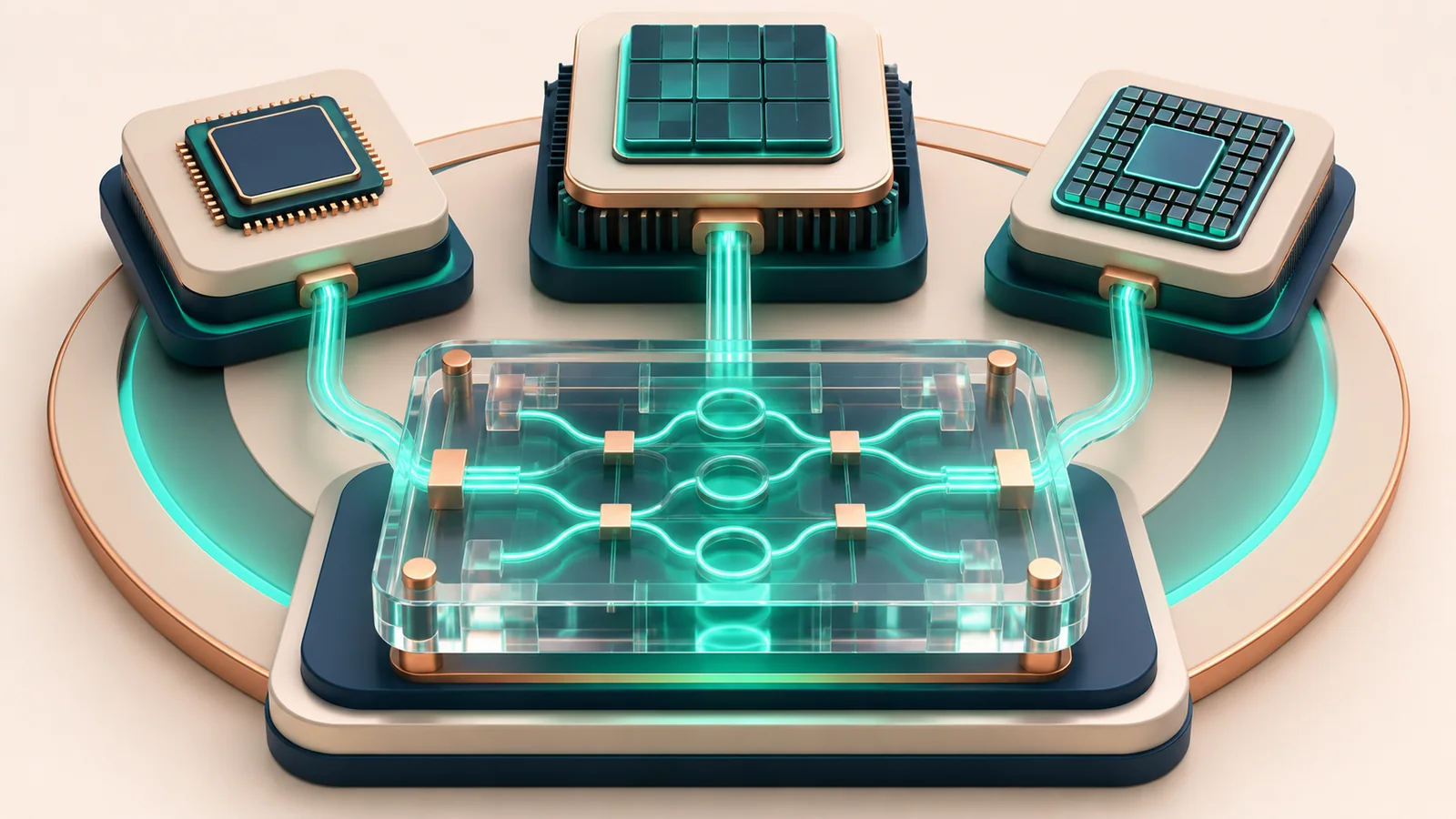
AMD Plans Investment in PsiQuantum as Companies Expand Quantum Computing Partnership
AMD and PsiQuantum have expanded their strategic partnership to develop the classical computing infrastructure required for utility-scale, fault-tolerant quantum computers. The collaboration brings together AMD's CPUs, GPUs, adaptive computing technologies and software with PsiQuantum's photonic quantum computing platform, while AMD also plans to make an equity investment.