
The pace is real — and conditional
AI-assisted development has genuinely raised the ceiling for what a two-to-five-person team can cover in a quarter. The catch is that unreviewed acceleration compounds errors the same way it compounds features. Teams that sustain the pace share one habit: review throughput scales with generation throughput.

Guardrails we observe in healthy teams
- Generated code lands through the same pull-request review as hand-written code, no exceptions.
- Tests are written for behavior contracts, so generated refactors stay checkable.
- One owner per surface, even when several people contribute — ownership keeps context fungible.
Scope discipline is the multiplier
The tooling amplifies whatever the spec says. A crisp one-page spec produces a focused build; a vague one produces a plausible-looking system that nobody can maintain. Startups that treat spec quality as engineering work get most of the speed and avoid most of the rework.
Further reading
Building a product in this space?
MORE FROM THE NEWSROOM
Related news
 Startups
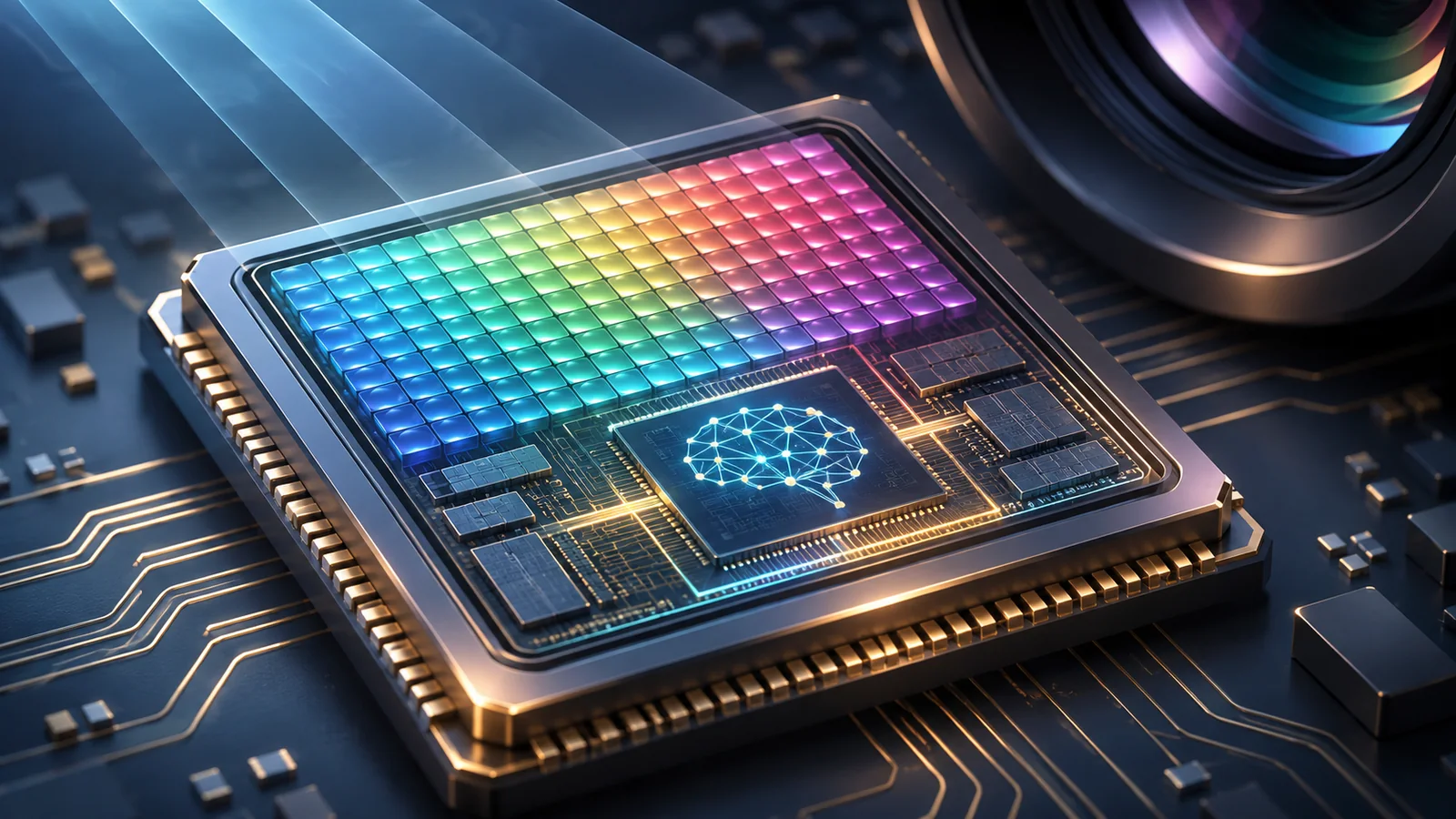
Bharat Semi Raises $24 Million to Build AI-Enabled Image Sensors on a Single Chip
Indian semiconductor startup Bharat Semi has raised $24 million in an all-equity seed funding round to develop programmable image sensors that combine image capture, processing and AI capabilities on a single chip. The company is targeting applications in industrial automation, smart homes, surveillance and aerospace, with commercial production planned for 2027.
 Startups
Fractal Analytics in Talks With 20–25 AI Startups as It Weighs Acquisitions
Fractal Analytics is evaluating potential acquisitions involving 20–25 AI startups as it expands its enterprise AI capabilities. CEO Srikanth Velamakanni says the company is particularly interested in healthcare AI, agentic AI and AI engineering businesses that can provide specialised talent and strategic relationships with major technology providers.
 Startups
Norwest Raises Record $4 Billion Fund, Expanding Investment in AI, Cybersecurity and Physical Technology
Norwest has announced a $4 billion investment fund, the largest in its 65-year history, taking its total capital under management to $18 billion. The global multi-stage investor plans to pursue opportunities across technology, healthcare and consumer businesses, with particular interest in AI infrastructure, physical AI, voice AI and cybersecurity.